



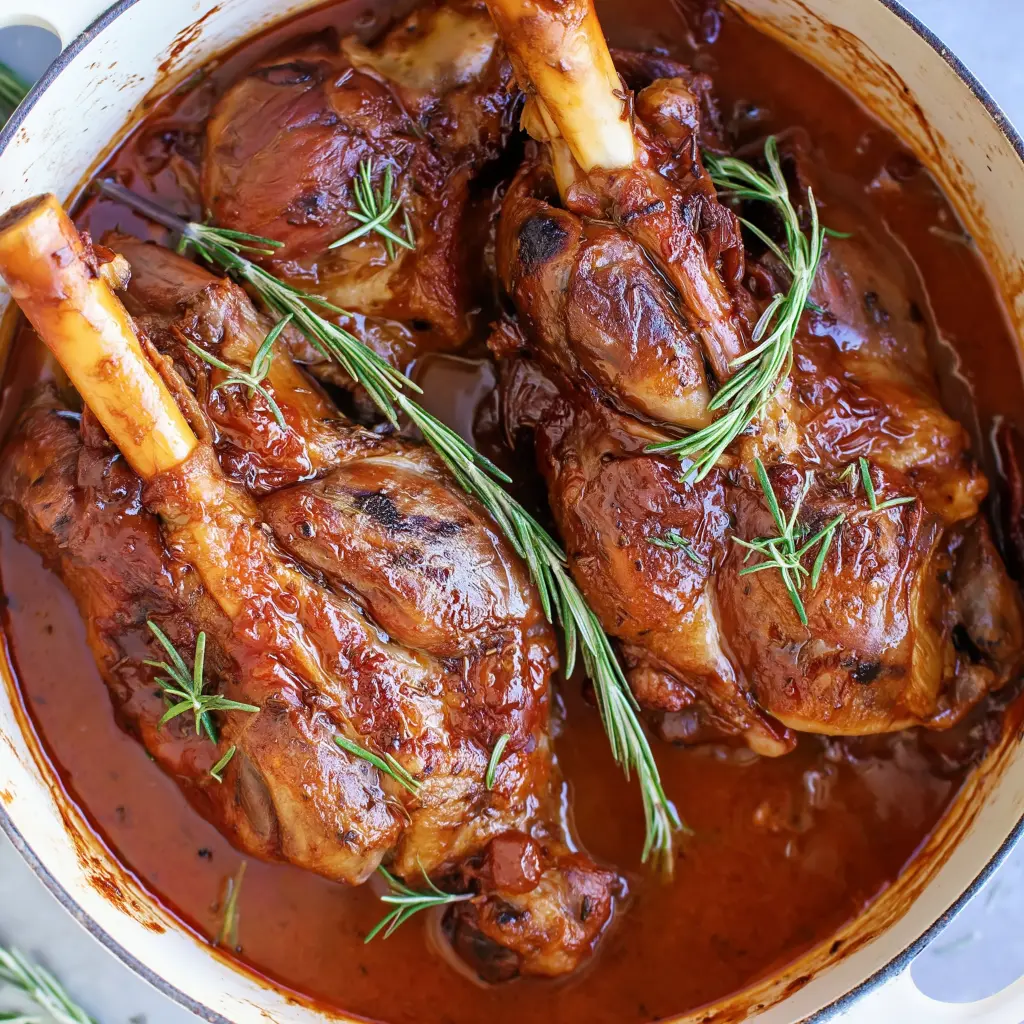
Braised lamb shanks are the kind of dinner that rewards patience. The prep is fairly simple, but the long oven time turns a tough cut into meat that becomes deeply tender. It is a dish that feels suited to a quiet weekend meal, a family gathering, or any dinner where you want the main course to feel especially comforting.
What makes braised lamb shanks so appealing is the way the sauce develops as the shanks cook. Onion, carrots, garlic, herbs, broth, tomato, and the braising liquid all spend hours together in the pot. As the lamb softens, all of that flavor settles into the sauce, which becomes thick, savory, and ideal for spooning over mashed potatoes or creamy polenta.
This is also one of those recipes where the oven does most of the work. After browning the shanks and building the base of the braise, the pot goes into the oven and slowly takes care of itself. You do not need constant stirring or close stovetop attention. A few well-timed steps lead to a finished dish that feels layered and generous.
Braised lamb shanks also hold their place well at the table because they pair so naturally with soft, simple sides. The sauce is a major part of the experience, so dishes that can catch every spoonful are especially useful. The optional gremolata at the end adds freshness and keeps the final plate from feeling too heavy.
Why I Love These Braised Lamb Shanks
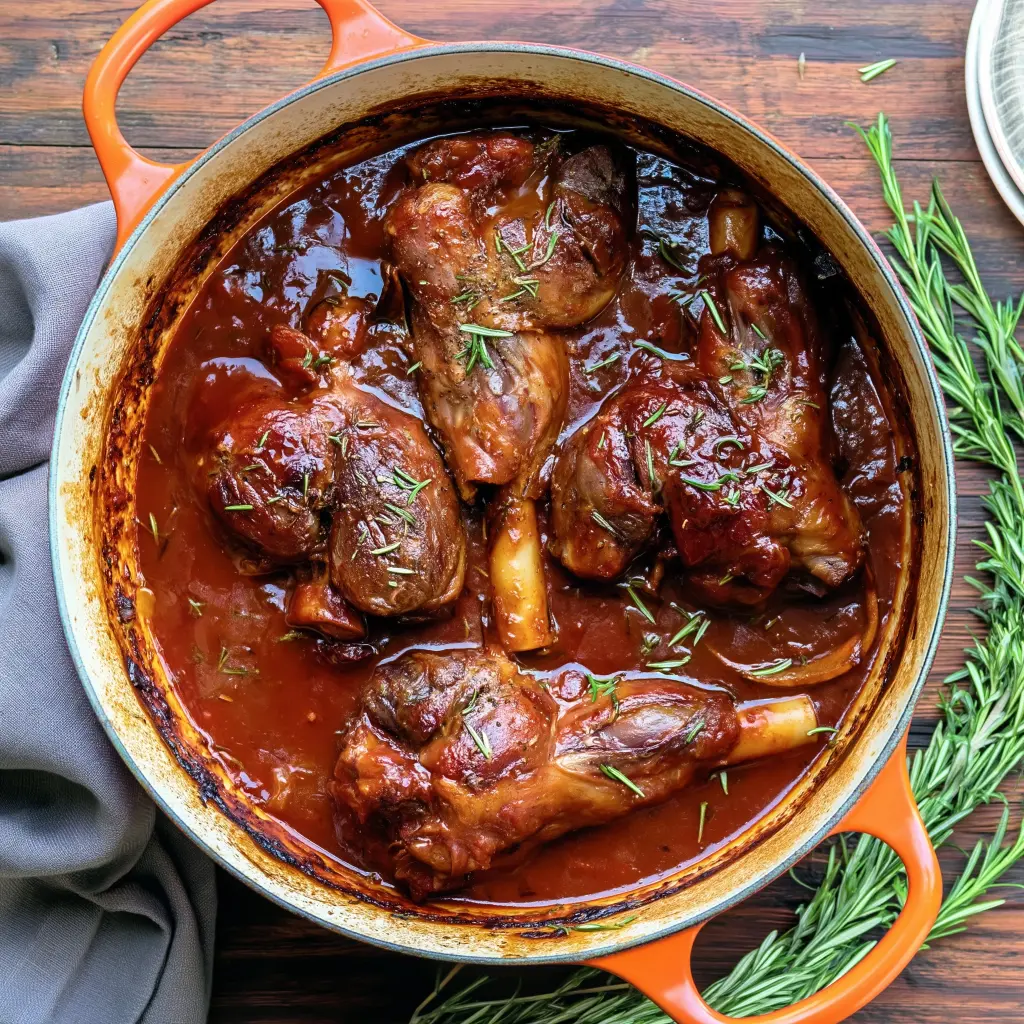
I like this recipe because it feels impressive without being fussy. The ingredient list is thoughtful, but the process itself is steady and clear. Brown the meat, soften the vegetables, add the liquids and seasonings, then let the oven do the longer part of the job.
I also like the way the sauce develops. The carrots and onion soften into the braising liquid, the tomato adds body, and the porcini deepens the overall flavor without taking over. By the end, the pot tastes like it has been cooking all day for a reason.
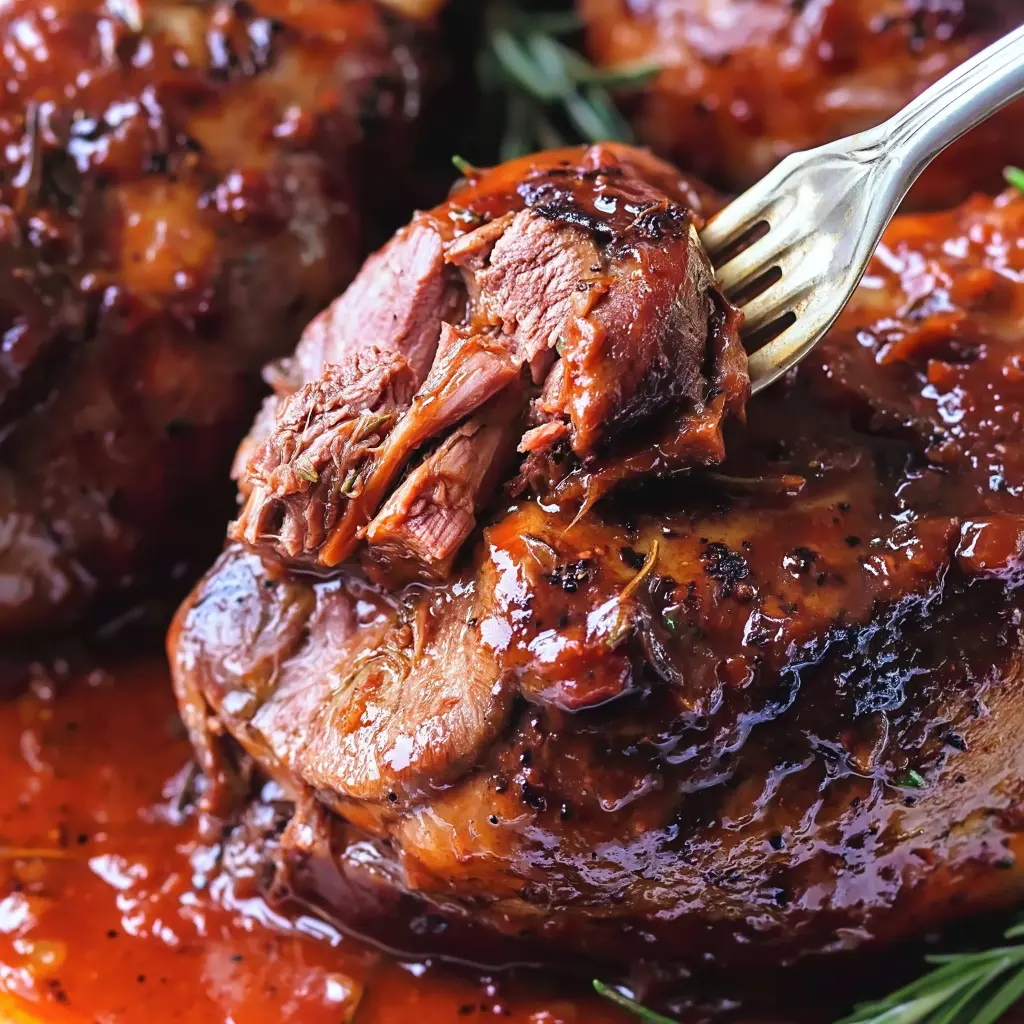
Another strong point is the texture. Braised lamb shanks should not feel merely cooked through. They should feel tender enough that the meat gives way easily with a fork. This recipe gives the lamb enough time to reach that point while still letting the top brown during the last stretch in the oven.
Ingredients
Lamb shanks are the focus here, and size matters. The recipe calls for 4 to 6 large shanks, depending on how many people you are serving. Because they are a bone-in cut, they benefit a lot from the long braise. That slow cooking softens the meat and gives the sauce extra depth.
The vegetable base is built with yellow onion, carrots, and garlic. Those ingredients give the pot sweetness and savory backbone. They are not meant to stay sharply defined at the end. Instead, they soften and blend into the sauce as the braise goes on.
The liquid base includes broth, tomato sauce or passata, tomato paste, and the red braising ingredient listed in the source recipe. Rosemary, thyme, and bay leaves bring structure to the pot, while ground porcini adds an earthy note that makes the sauce feel deeper and more rounded.
At the end, butter enriches the sauce further, and the optional gremolata brings a bright contrast. Whether you use lemon or orange zest, the fresh parsley and garlic in that finishing mixture help lift the final plate.
How to Cook Braised Lamb Shanks
If you are using the gremolata, stir it together first and refrigerate it until needed. Doing that ahead helps you focus on the main pot once the cooking begins.
Tie the rosemary, thyme, and bay leaves together if possible. That makes them easier to remove later and keeps the sauce from filling with loose herb stems. Preheat the oven to 325°F while you season the lamb shanks with salt and pepper.
Heat the oil in a Dutch oven or other heavy oven-safe pot. Brown the lamb shanks well on all sides. This step is worth taking seriously because the color on the meat adds a lot to the final flavor. Once browned, transfer the shanks to a plate and keep about 2 tablespoons of oil in the pot.
Add the onion, carrots, and garlic to the pot and cook until softened, about 6 to 8 minutes. Stir in the ground porcini. The vegetables should look softened and glossy before you move on, since they form the savory base of the braise.
Add the red braising liquid and bring it to a boil, scraping up the browned bits from the bottom of the pot. Let it boil briefly, then return the lamb shanks to the pot along with the broth, tied herbs, tomato sauce or passata, tomato paste, salt, and pepper.
Bring the pot to a boil, cover it, and place it on the lowest oven rack. Cook for 2 1/2 to 3 hours, turning the shanks halfway through. During the final 30 minutes, remove the lid so the tops can brown more nicely.
Once the lamb is very tender, transfer the shanks to a plate and keep them warm. Remove the herbs from the pot, then bring the sauce to a boil on the stovetop. Stir in the butter and simmer until the sauce thickens. If you want to speed that along, the recipe also gives the option of using a cornstarch slurry.
Serve the lamb over mashed potatoes or creamy polenta with the sauce spooned over the top. Finish with gremolata if you are using it. That bright final spoonful does a lot to balance the richness of the braise.
Pro Tips
Brown the shanks thoroughly before braising. This is one of the steps that gives braised lamb shanks their deeper flavor, and it is worth a few extra minutes at the front of the recipe.
Use a heavy pot with a close-fitting lid. A Dutch oven is especially good here because it holds heat steadily and helps the braising liquid stay at the right level during the long cook.
Check the pot once or twice during cooking. If the liquid reduces more than expected, add a bit more broth so the braise stays balanced. The shanks should sit in a generous amount of sauce, especially since that sauce becomes part of the final plate.
When thickening the sauce at the end, do not rush it too much. A short simmer after the shanks come out often gives you a better texture than boiling it very hard. The sauce should look glossy and spoonable rather than stiff.
What to Serve With Braised Lamb Shanks
Mashed potatoes are a classic side for braised lamb shanks because they catch the sauce so well. Soft, buttery potatoes let the lamb stay the center of the plate while still giving you something satisfying underneath.
Creamy polenta is another very good match. Its soft texture works beautifully with the fork-tender lamb and the rich sauce. If you want something a little less rich on the side, roasted root vegetables or green beans can help balance the meal.
A simple salad can work too, especially if you want a fresher contrast against the braise. Since braised lamb shanks are rich and slow-cooked, something crisp on the table helps round out the dinner, especially alongside other comforting dinner favorites.
Storage and Reheating
Braised lamb shanks keep very well, which is one reason they are such a practical dinner for entertaining. Refrigerate leftovers in their sauce for up to 3 days. The flavor often tastes even deeper the next day after the sauce has had more time to settle.
Reheat the shanks gently on the stovetop or in the oven with some of the sauce spooned over them. Lower heat is helpful because it warms the meat without drying it out. If the sauce thickens too much in the refrigerator, add a splash of broth while reheating.
This recipe can also be made ahead. In fact, braised lamb shanks are often easier to serve for company when cooked earlier and reheated gently before dinner. The sauce warms back up well, and the lamb stays tender in the braising liquid.
Common Questions
A common question is whether the gremolata is worth making. It is optional, but it adds a bright finish that cuts through the richness of the lamb and sauce. If you have the ingredients, it is a nice final touch.
Another question is whether beef broth or chicken broth is the better choice. Since the recipe allows either, both can work. Beef broth gives the sauce a deeper flavor, while chicken broth keeps it a little lighter.
Readers also ask how to tell when braised lamb shanks are done. The best sign is tenderness, not just time. When the meat yields easily to a fork and feels ready to pull from the bone, the braise has done its job.

- Vanilla Bean Chiffon Cake That Feels Light and Special - April 27, 2026
- Favorite Vanilla Bean Cake That Tastes Rich and Tender - April 27, 2026
- Wonderful Mulberry Olive Oil Cake - April 27, 2026